


From Saga Prefecture: Your First Arita Ware Rice Bowl
From Saga Prefecture: Your First Arita Ware Rice Bowl
Couldn't load pickup availability
VISIT aeru
ふれて、知る
「あ、この器、思ったよりずっしりしているんだ」「漆って、こんなに艶があるんだ」——画面では伝わらない、職人の手仕事が息づく場所。aeruは東京・目黒と京都・五条の2拠点で、皆さまをお迎えしています。
京都「aeru gojo」
東京「aeru meguro」
※営業日は不定期です。お越しの前に公式サイトでご確認ください

サイズ
【Diameter】Approx. 10.5 cm
【Height】Approx. 4.5 cm
生産地
Saga Prefecture
素材
Amakusa pottery stone, glaze

“First Etiquette” with Your “First Rice Bowl”
“You can eat by yourself now.”
When you grow up just a little more and become a big boy or girl, it’s time for your debut with your “First Rice Bowl.”
Hold the bowl with both hands as if cradling it, then place it on the palm of the hand opposite the one holding your chopsticks.
Then, pick up a bite of rice with your chopsticks.
It may be a little difficult at first, but when you get the hang of it, you’ll be just like your mom and dad.
The dining etiquette that adults take for granted is full of “firsts” for children.
We hope that as your child grows from “being able to eat by themselves” to “eating well,”
they will enjoy every meal, beautifully and deliciously...
That is why aeru’s “First Rice Bowl” was born.
It is a bowl that makes use of traditional Japanese techniques, allowing even a small hand to hold it carefully and securely.
Learn Japanese Culture Through the Proper Use of a Rice Bowl

The proper way to use a rice bowl is to lift it while eating.
It may seem like a simple, everyday gesture, but the culture of lifting a rice bowl can be said to embody Japanese culture itself.
In Japan, people have traditionally sat in the seiza position on tatami mats and eaten from individual trays, so lifting a rice bowl was a very natural part of every meal.
The dining etiquette of pulling the rice bowl toward yourself so that you can eat with good posture has long been rooted in Japanese life.
To help children naturally acquire this Japanese culture from an early age, the “First Rice Bowl” is designed to be easy for small hands to hold securely and, above all, to make rice taste even more delicious.
The Thoughts Behind the Design of the “First Rice Bowl”
When a child holds a rice bowl in one hand for the first time, there is a lot to learn, including where to place their fingers, how to tilt the bowl, and how to move their chopsticks.
Moving each hand differently may also be difficult for a child at first.
To help them naturally develop a proper and graceful hold, aeru’s “First Rice Bowl” incorporates three thoughtful design features.
A Rice Bowl That Fits a Four-Year-Old’s Hand

Rest a thumb lightly on the rim of the bowl and support the foot with the remaining fingers...
Place the bowl, held with both hands as if cradling it, on the palm of the hand opposite the one holding the chopsticks.
This naturally guides your child toward graceful dining.
A Shape That Fits the Thumb

The rim of the rice bowl is angled slightly outward.
This allows the thumb to rest comfortably along the rim when holding the bowl.
The glazed surface of the rim is also finished smoothly, and
if you look closely, a single line runs through the center.
This gives the rice bowl a clean silhouette and makes the rice look even more beautiful and delicious.
A Shippo Pattern Revealed Through Arita-ware Techniques

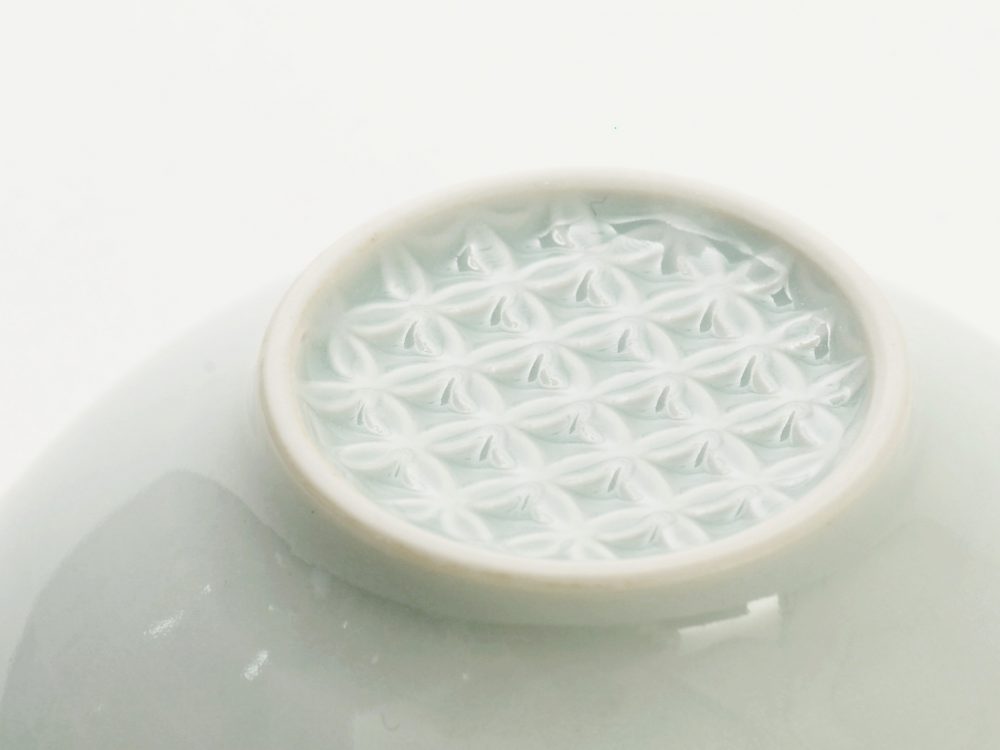
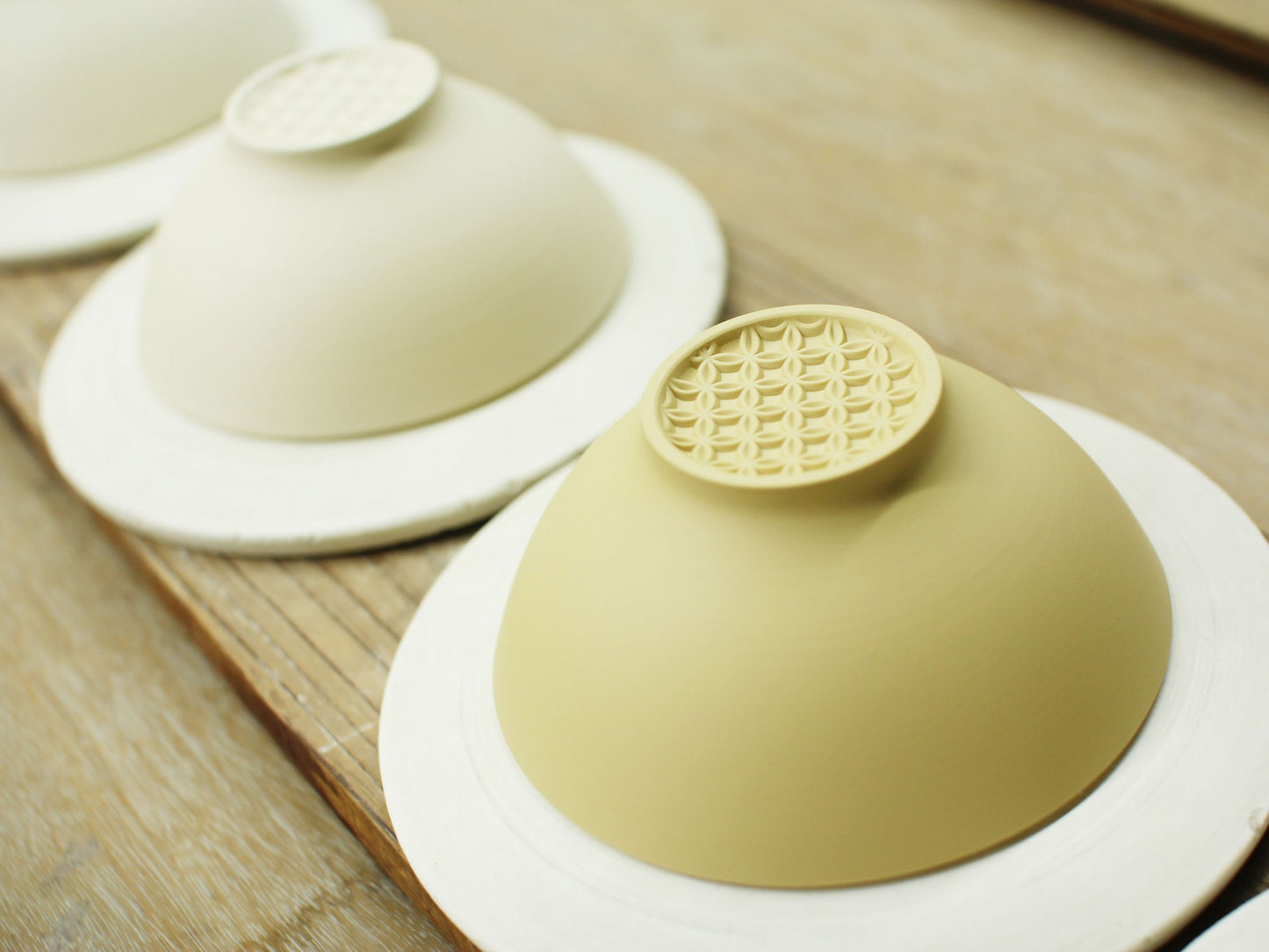
The foot on the underside of the rice bowl is adorned with a shippo pattern.
The shippo pattern is an auspicious Japanese motif featuring interconnected circles, said to symbolize the formation of meaningful bonds.
The shippo pattern stands out in relief thanks to the advanced molding techniques used to carve intricate details into the small foot.
The raised shippo pattern is
charming to look at, like a field of tiny flowers in bloom,
and its raised texture naturally guides your child’s fingers to the right place,
reflecting the care and thought put into its design.
The small recessed areas create shadows that perfectly fit your child’s fingertips, allowing them to hold the rice bowl even more securely.
Arita-ware, Passed Down in Saga Prefecture

Arita-ware was once called Imari-ware because it was exported from Imari Port.
Its exquisite painted designs earned it fame as a work of art overseas, and it is also well known in Japan as “Arita-ware of Painted Designs.” However, its molding techniques are also among the finest. Molding techniques have been developing in Arita since the Edo period.
Wooden molds and bisque-fired molds were initially used, but the introduction of plaster molds from Europe in the early Meiji era is said to have helped develop ceramics manufacturing into a modern industry. Today, most Arita-ware is made using plaster molds.
Because Arita-ware artisans possess the skills to create details fine enough for works of art, aeru believed they were the perfect people to ask for the thoughtful details required for the “First Rice Bowl.”
Born from the exceptional skill of these artisans, this rice bowl is designed to help children through their “firsts” and make mealtimes enjoyable.
The Traditional Colors of Arita-ware

The “First Rice Bowl” is a grayish-blue color close to white.
Artisans blended the glaze to achieve the traditional colors of Arita-ware, recreating the atmosphere of antique ceramics.
Although it is close to white, the color enhances the whiteness of the rice.
By intentionally omitting painted designs, the bowl is designed to be used for many years, even after your child grows up.
Its simple color also makes it suitable as a small bowl for side dishes as your child grows.
We hope that it will accompany your child throughout their life, changing uses as they grow.
Enjoy It for a Lifetime, Repaired with Kintsugi or Ginsugi


The joy of using items together and treating children with respect comes from not treating them like children. Even if a piece is broken because it was handled improperly, aeru believes that the lessons learned—that it can break this way and that things should be treated with care—are more important in the long run than the damage itself. If a piece is broken, it can be repaired using “kintsugi” or “ginsugi.” However, aeru’s repair service is temporarily not accepting new requests (the date for resuming service is yet to be determined).
We hope this will be a piece that accompanies your child through life, from childhood into adulthood.
Click here for repair details and current availability

※Metal is used to finish the repairs. Therefore, after repair, the piece will no longer withstand extremely high temperatures and cannot be used in a microwave, dishwasher, oven, or over an open flame. Please note this in advance.
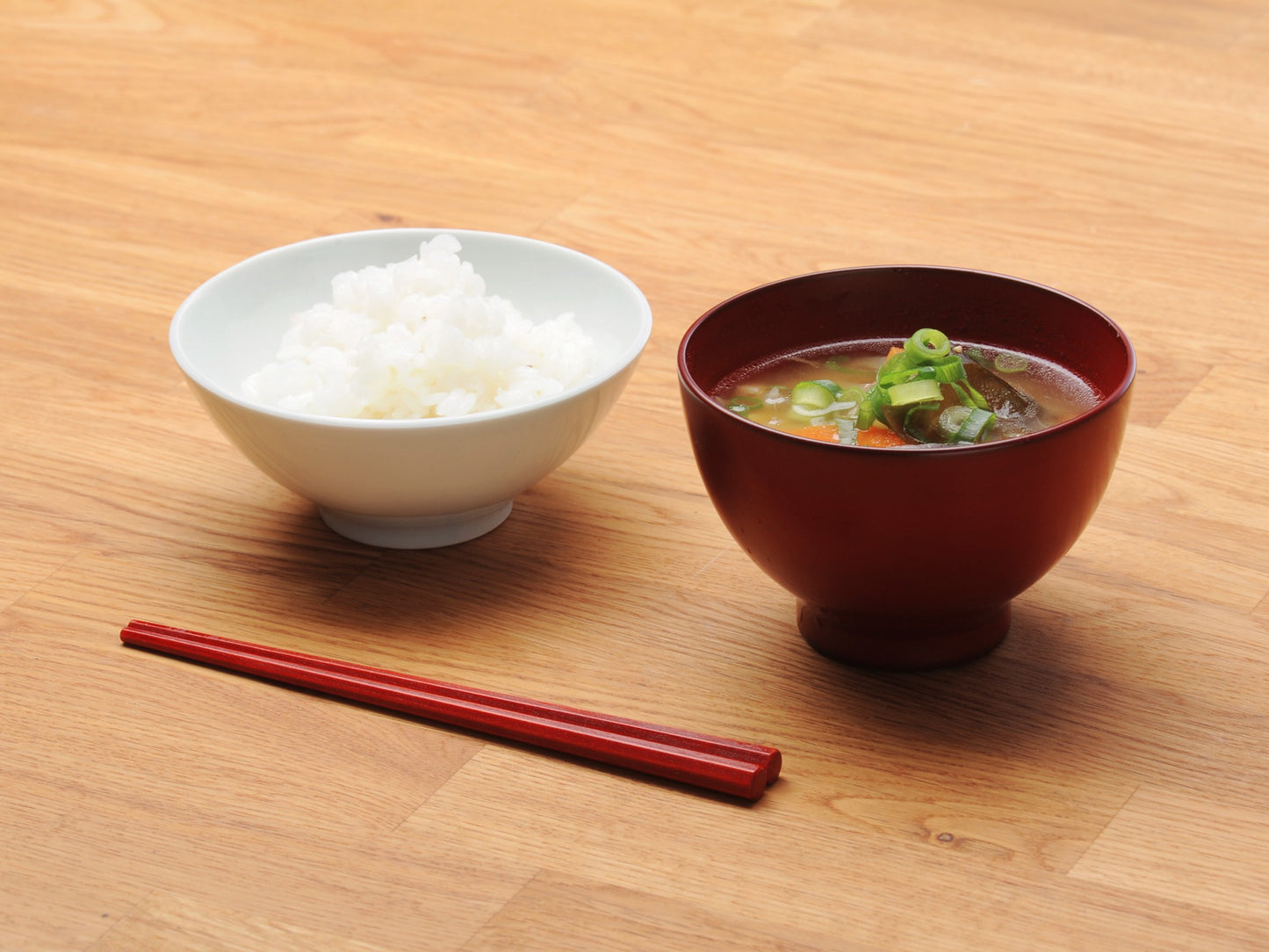
The Rice Bowl, Soup Bowl, Chopsticks, and Chopstick Rest from the “First Series”

“Rice is on the left, miso soup on the right. Side dishes in the center, chopsticks in front,” and “Support the foot of the rice bowl...” The “First Series” was born with the hope that your child will naturally acquire the proper etiquette of Japanese dining.
They may not know how to hold the bowl or chopsticks at first, but we hope that by eating with their parents and imitating them, they will gradually improve.
Click here for the “First Series” four-piece set>>
A First Arita-ware Rice Bowl from Saga Prefecture

A First Echizen Lacquerware Soup Bowl from Fukui Prefecture

“I want to pass on the Japanese culture of eating deliciously with proper etiquette at the daily dining table.”
With this hope in mind, the “First Soup Bowl” comes with a lid.
Click here for the “First Series” soup bowl>>
First Lacquered Chopsticks from Ishikawa Prefecture

They have an “octagonal, straight shape” that is difficult to roll and easy to use for picking up food.
Click here for the “First Series” chopsticks>>
A First Anjii Stone Chopstick Rest from Kagawa Prefecture

The natural texture of Anjii stone blends beautifully with the grayish-blue color of the rice bowl and the black or madder-red of the soup bowl and chopsticks.
Click here for the “First Series” chopstick rest>>
For Safe, Long-Lasting Use
Microwave ○
Dishwasher ○
Oven ○
Open flame ×
※Please use only for its intended purpose as a piece of tableware.
※Strong impacts may cause the piece to break or chip.
※Using this product when it is cracked or chipped may cause unexpected injury or accidents. Please do not use the product if it is cracked or chipped.
※As all pieces are handmade by artisans, there may be slight differences in size from one piece to another.
※As the products are made from natural materials, there may be individual differences in color and texture. Please enjoy the unique character of each piece.
Gift Service
About Gift Orders
-
化粧箱・桐箱でお届け
商品のサイズに合わせたaeruオリジナルの化粧箱または桐箱でお届け。追加料金なしでそのままお渡しいただけます。
-
七宝柄包装紙ラッピング +220円(税込)
縁起のよい七宝文様をあしらったaeruオリジナル包装紙。このページの「ギフトサービス」でお選びいただけます。
-
aeruオリジナル熨斗(包装紙とセット) +330円(税込)
表書きと水引は以下の4種類からお選びいただけます。
- 御出産祝(花結び)
- 御祝(花結び)
- 無地(花結び)
- 無地(結びきり)
※花結び=出産・入学など何度繰り返してもよいお祝い向け / 結びきり=結婚・快気祝いなど一度きりのお祝い向け。記名サービス・熨斗のみのご注文は承っておりません。
-
贈り先様へ直送可
ご注文時にお届け先を別住所に指定いただけます。金額のわかる明細・納品書は同梱しませんのでご安心ください。
-
5営業日以内に発送・お届け日時指定可
入荷待ち商品を除き、ご注文から5営業日以内に発送いたします。配送会社は佐川急便、時間帯指定も承ります(一部地域を除く)。

Craftsman's handiwork
Handcrafted one by one by traditional artisans from across Japan
Reliable quality
Materials and finishes that are safe even if they come into contact with your child's mouth
お直し対応の器
金継ぎ・塗り直しで直せます(新規受付は一時停止中)
Gift options available
Delivered in a gift box / Optional paid gift wrapping and noshi available
FAQ
We’ve compiled answers to common questions before you purchase.
電子レンジや食洗機は使えますか?
各商品ページ上部の「お取り扱い」アイコンをご確認ください。陶磁器の多くは電子レンジ可、漆器・木製品は手洗いをおすすめしています。手洗いのひと手間が、お子さまと向き合うひとときに変わると、たくさんのご家庭からお声をいただいています。
赤ちゃんが口にしても安心な素材ですか?
食品衛生法に適合した素材・釉薬・塗料のみを使用しています。日本の職人が、0歳児が使うことを前提に一つひとつ仕上げています。
もし割れたり欠けたりしたら?
aeruのお直しサービスは現在、新規受付を一時停止しています(再開時期は未定)。
aeruでは「お直しサービス」をご用意しています。金継ぎなどの伝統技法で、対象商品をまた使えるようにお返しします(商品の素材や破損状況によりお受けできない場合もございます)。「割れたら終わり」ではなく「直してまた使う」という体験そのものを、お子さまへの贈り物としてお届けしています。
ラッピングや熨斗(のし)の対応はありますか?
全商品にaeruオリジナルの化粧箱または桐箱が標準装備されており、そのままギフトとしてお使いいただけます。七宝柄の包装紙は220円(税込)、熨斗ありは包装紙と合わせて330円(税込)です。表書きは御出産祝・御祝・無地(花結び・結びきり)から、商品ページの「ギフトサービス」でお選びください。詳細はラッピングのご案内ページをご覧ください。
贈り物として届ける際、価格の分かる明細は同梱されますか?
贈り物としてお届けする場合、金額の分かる明細書は同梱しません。デジタル明細はご注文者さまのメールにのみお送りします。
aeruの商品は、他の方からの贈り物と重なることはありますか?
aeruの商品は大手通販モールや量販店では取り扱っておらず、職人の手仕事のため大量生産もしておりません。「他とは違うものを贈りたい」というお気持ちに、自然とお応えできます。
何歳から何歳まで使えますか?
多くの商品は0歳から大人まで、生涯を通じてお使いいただけるよう設計しています。離乳食期は親御さまが食べさせる器として、その後はお子さまご自身の器として、長く寄り添います。
受け取る方のご家庭の暮らし方に馴染みますか?
日常使いはもちろん、お食い初め・ハーフバースデー・1歳のお誕生日など、特別な日にだけ使う「ハレの器」としてもお使いいただけます。プラスチックの器とは違う、本物に触れる体験を、お子さまの記念日にお届けします。
出産祝いに間に合うように届きますか?
通常はご注文から3〜5営業日で発送いたします。お急ぎの場合はお問い合わせください。
Gift FAQ
Frequently Asked Questions About Gifts
To ensure you can order with confidence as a gift
お届け日時を指定できますか?
はい、時間帯指定が可能です(一部離島・山間部および一部地域を除く)。ご注文画面の備考欄、または通常の配送日時指定からお選びください。
贈り先様に直接お送りすることはできますか?
はい、可能です。ご注文画面で「新しいお届け先」を選択し、お届け先住所をご入力ください。国内へのお届けの場合、金額のわかる明細・納品書は同梱されませんのでご安心ください。
※海外配送の際は、税関検査のためインボイスに商品代金を記載いたします。
メッセージカードは付けられますか?
あいにくですが、aeruオンライン直営店ではメッセージカードのご用意はございません。ご注文の備考欄でのメッセージのお預かりもいたしかねます。東京直営店「aeru meguro」・京都直営店「aeru gojo」ではメッセージカードをご用意しておりますので、お近くにお住まいの方はぜひご来店ください。
熨斗(のし)の表書き・水引はどれが選べますか?
aeruオリジナルの熨斗紙は、表書きと水引の組み合わせで4種類からお選びいただけます(包装紙とセットで+330円・税込)。
- 御出産祝(花結び) — ご出産のお祝いに
- 御祝(花結び) — 入学・新築など何度繰り返してもよいお祝いに
- 無地(花結び) — 表書きなしでお渡ししたいお祝いに
- 無地(結びきり) — 結婚祝い・快気祝いなど一度きりのお祝いに
※花結び(蝶結び)は繰り返してよいお祝い向け、結びきりは一度きりのお祝い向けの水引です。あいにくですが、上記以外の表書きへの変更、および記名サービスは承っておりません。連名でお送りの場合は配送伝票へのお名前記載にて承ります(備考欄でお知らせください)。外熨斗にてご用意し、熨斗のみのご注文は承っておりません。
ラッピングは無料ですか?料金体系を教えてください
aeruオリジナルの化粧箱・桐箱でのお届けは標準対応(追加料金なし)で、贈り物の際もそのままお渡しいただけます。さらに装いを整えたい場合は、ご注文画面で以下からお選びいただけます。
- 七宝柄包装紙のみ(熨斗なし) — +220円(税込)
- 七宝柄包装紙+熨斗 — +330円(税込) ※表書き4種類から選択可
※一部商品(手漉き和紙のボール、五十崎和紙の紙風船、首くり布団セット、組子細工オーナメント)は包装紙のご対応をしておりません。熨斗のみのご注文(包装紙なし)は承っておりません。
配送料はいくらですか?
通常配送は1回のご注文(1ヶ所へのお届け)につき810円(税込)。一部離島・山間部へのお届けは1,870円(税込)となります。同一の配送先へまとめてご注文の場合、送料は1回分のみのご請求です。
※「京都府から 手詰め木綿わたの 首くり布団セット」は配送料が異なります(972円〜)。詳細は送料・お支払い方法ページをご確認ください。
発送までどのくらいかかりますか?
入荷待ち商品を含まない場合は、ご注文から5営業日以内に発送いたします。入荷待ち商品は、各商品ページに記載の発送予定日をご確認ください。配送会社は国内が佐川急便、海外が日本郵便EMSとなります。
領収書はいただけますか?
個人のお客様の場合、ご注文完了時にお送りするメールが領収書を兼ねます。法人様で宛名つきの領収書をご希望の際は、ご注文時の備考欄に法人名と但し書きをご記入ください。
海外への発送はできますか?
一部地域を除き、日本郵便EMSにて承っております。送料は配送先と重量により異なり、ご注文確認メールにて確定額をお知らせいたします。詳細は海外配送のご案内をご確認ください。
返品・交換はできますか?
あいにくですが、お客様都合での返品・交換はお受けしておりません。万が一、破損・汚損・誤送などの不具合がございましたら、shop@a-eru.co.jp までご注文主様のお名前と受注番号を添えてご連絡ください。


